





How to Build a Sukkah: Assembly Tips for a Smooth Sukkot Setup

Every year, the same scene plays out: Sukkot is getting close, the boxes come out of storage, and someone asks, “Do we remember how this goes together?” Whether you are setting up in a backyard, driveway, school courtyard, shul parking lot, or apartment building space, a little planning makes the whole job much easier.
If you are starting from scratch, choosing the right sukkah kit can save time, reduce stress, and help make setup more predictable from year to year. But even with a good kit, the order of assembly matters.
This guide walks through practical sukkah assembly tips: where to build, what to check before you begin, how to keep the frame organized, when to add walls and schach, and what to think about from a basic halachic perspective. As always, for specific halachic questions, it is best to confirm with your rabbi.
How to Build a Sukkah: Assembly Tips Before You Start
The easiest sukkah setups usually begin before the first pole is connected. A few minutes of preparation can prevent a lot of frustration later, especially if you are assembling with children, volunteers, students, or a large group.
Choose the location carefully
Before unpacking anything, look at the space where the sukkah will stand. You want an area that is practical, accessible, and appropriate for Sukkot use.
- Pick level ground whenever possible.
- Make sure there is enough clearance around the sukkah for assembly.
- Check that the sukkah will be open to the sky above the schach area.
- Avoid placing it directly under tree branches, overhangs, balconies, or anything that may create a halachic issue.
- Think about foot traffic, serving food, lighting, and access for guests.
For larger community sukkahs, also consider crowd flow. A shul, school, or organization may need room for tables, chairs, serving stations, and safe entry and exit.
Unpack and sort the parts
One of the most useful sukkah building tips is simple: do not start connecting pieces until you have sorted them. Lay out the frame pieces, corner pieces, wall materials, fasteners, and schach support materials in separate groups.
If you have instructions from a previous year, keep them nearby. If your sukkah is labeled, match the labels before beginning. This is especially helpful with larger sukkahs, custom sizes, or setups used by multiple volunteers.
Build the Frame First, Then Add the Walls
In most sukkah setups, the frame should be assembled first. A square, level frame makes the walls easier to attach and helps the sukkah feel more stable once everything is in place.
As you build the frame, work in stages:
- Start with the base or main outline of the sukkah.
- Connect the vertical supports according to the instructions.
- Add the upper frame pieces and corners.
- Check that the structure is straight before tightening or securing everything fully.
- Only then begin attaching the wall panels or fabric walls.
Do not rush this step. If the frame is slightly off at the beginning, it can become more noticeable once the walls and schach are added. Taking time to square the structure now usually saves time later.
Wall Setup Tips for a Stronger Sukkah
Sukkah walls should be secure enough for normal use and outdoor conditions. From a practical standpoint, walls that flap too much, sag, or pull unevenly can make the sukkah less comfortable and harder to use. From a halachic standpoint, wall requirements can be specific, so check any detailed questions with your rabbi.
Here are a few practical wall tips:
- Attach walls evenly from one side to the other instead of pulling hard in one corner.
- Make sure doors or entry openings are positioned where people can enter comfortably.
- Use the proper straps, ties, or connection system supplied with the sukkah.
- If building in a windy area, consider extra care with placement and anchoring, within the product guidelines.
- Inspect older walls before Sukkot for tears, weak seams, or missing connectors.
If your sukkah is used by a school or shul, assign one or two people to check the wall tension after assembly. When many volunteers are helping, small details are easy to miss.
When to Add the Schach
In a typical setup, schach is placed after the walls are standing. This order is commonly important, but specific halachic situations can vary, so ask your rabbi if you are unsure.
Before placing the schach, confirm that:
- The sukkah frame is steady.
- The walls are attached and in their intended position.
- The top of the sukkah is open to the sky.
- The schach support system is properly positioned.
- You have enough schach for the size of the sukkah.
Kosher-certified schach gives many families and organizations peace of mind, especially when buying new or replacing old schach. It is also worth checking the condition of your schach before Yom Tov so you are not dealing with last-minute surprises.
EZ Lock, Panel, or Custom Sukkah: How to Decide for Assembly
Different sukkah styles affect setup time, storage, and flexibility. The right choice depends on who is using the sukkah, how often it is moved, and how much customization you need.
EZ Lock Sukkah
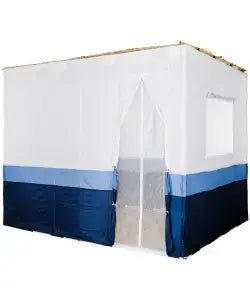
EZ Lock sukkahs are designed for a repeatable setup and come in different height options depending on the model. Traditional EZ Lock is 7 feet high, Advance EZ Lock is 7.5 feet high, and Ultimate EZ Lock is 8 feet high. EZ Lock sukkahs are expandable, which is useful for families or institutions that may need more space in future years.
For custom EZ Lock builds, dimensions are always even-numbered. That is important to remember when planning a specific space, especially for patios, courtyards, and institutional layouts.
Panel Sukkah
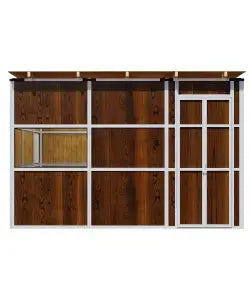
A Panel Sukkah has a consistent height of 7.5 feet. Panel systems can be a good fit when you want sturdy walls and a clean, structured look. Because the height is fixed, planning your location and clearance ahead of time is especially important.
Custom Sukkah
Custom Sukkahs are helpful when a standard size does not fit your space or your group’s needs. Wall heights are available at 7 feet, 8 feet, or fully custom. Custom builds have 7–10 day delivery, which makes planning ahead important as Sukkot approaches.
Sukkah Market also offers free local delivery and a 10-year manufacturer warranty, so it is worth choosing a setup that can serve you well over multiple seasons.
Assembly Tips for Families, Shuls, and Schools
The basic steps are similar, but the setup experience changes depending on who is building and using the sukkah.
For families
- Build during daylight so small parts are easier to see.
- Let children help with safe, simple jobs like organizing pieces or handing over connectors.
- Keep decorations until after the main structure is complete.
- Take photos of the finished frame before Yom Tov so next year’s setup is easier.
For synagogues and schools
- Assign one person to manage the instructions and direct the assembly.
- Set up a parts table so volunteers are not searching through boxes.
- Confirm the sukkah size matches the expected number of guests or students.
- Do a safety walk-through before the sukkah is used by the public.
For larger setups, it is better to have fewer people working in an organized way than many people guessing at the same time. A calm, structured approach usually gets the sukkah up faster.
Common Sukkah Building Mistakes to Avoid
Most sukkah setup problems are preventable. Watch out for these common issues:
- Building under an obstruction without checking the sky above.
- Adding schach before the walls are properly in place.
- Skipping the step of squaring the frame.
- Using old or damaged wall materials without inspecting them first.
- Forgetting to plan the entrance location.
- Waiting until the last minute to order a custom size or replacement schach.
If you are unsure whether your setup is halachically valid, do not rely on guesswork. A quick question to your rabbi before Sukkot can prevent a much bigger issue later.
Final Check Before You Decorate
Before the kids bring out the paper chains or the committee starts setting tables, take five minutes for a final check.
- Is the frame standing straight?
- Are the walls attached securely?
- Is the schach placed properly?
- Is the entrance easy to use?
- Is there enough room for the people, tables, and chairs you expect?
- Are any sharp edges, loose ties, or tripping hazards visible?
Once those basics are handled, the sukkah becomes what it is meant to be: a warm, welcoming place for meals, family, learning, guests, and community.
Need Help Choosing or Setting Up Your Sukkah?
Building a sukkah does not have to feel complicated. With the right size, the right materials, and a clear assembly plan, setup can become a manageable part of preparing for Sukkot.
If you are buying your first sukkah, upgrading an older one, or planning a larger setup for a shul, school, or organization, Sukkah Market can help you choose a practical option for your space and needs.
Looking for a Sukkah near me? Visit our store locations to find the nearest showroom, get expert advice, and see our sukkah models in person.
Explore the available sukkah options or get in touch before the season gets busy.
FAQ
1. What is the best order for building a sukkah?
The usual practical order is to choose the location, assemble the frame, attach the walls, and then place the schach. In many cases, the walls should be in place before the schach, but specific halachic details should be confirmed with your rabbi.
2. How long does it take to assemble a sukkah?
Assembly time depends on the sukkah size, style, and how many people are helping. A well-organized setup with sorted parts and clear instructions is much faster than starting without a plan.
3. Can I build a sukkah on a patio or driveway?
Yes, many people build a sukkah on a patio, driveway, deck, or paved area, as long as the location works practically and is open to the sky above the schach. If there are overhangs, trees, balconies, or unusual conditions, ask your rabbi before setting up.
4. When should I order a custom sukkah?
It is best to order a custom sukkah as early as possible before Sukkot. Custom builds have 7–10 day delivery, so planning ahead helps avoid last-minute pressure.
5. Do I need kosher-certified schach?
Kosher-certified schach can give you confidence that the schach is suitable for Sukkot use. If you have questions about a specific type of schach or an older product you already own, confirm the details with your rabbi.


