


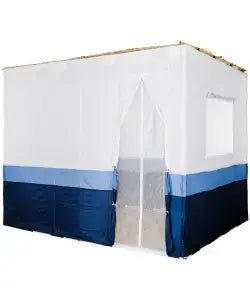





Understand the Sukkot Blessings and When to Say Them

Let’s be real for a moment. You’ve built the sukkah, you’ve got your lulav and etrog, and now you’re standing there on the first night of the holiday thinking, “Okay, which blessing comes first?” It’s a common moment of mild panic. The choreography of Jewish ritual can feel intimidating, and the fear of getting it wrong is real. But here’s the secret: the order of the Sukkot blessings isn’t some arcane code designed to trip you up. It’s a framework for mindfulness, a way to bring intention to each distinct moment of the celebration. So, let’s break down the main blessings, what they mean, and when to say them, without the pressure of a pop quiz.
Leishev BaSukkah and Other Sukkot Blessings
This is the big one, the blessing you’ll say most often throughout the week. The blessing Leishev BaSukkah (pronounced lay-shev bah-soo-KAH) literally means “to dwell in the sukkah.” It’s the central commandment of the holiday, and this blessing sanctifies the act of making the sukkah your temporary home. You recite it whenever you’re about to perform a significant act of “dwelling,” which traditionally means eating a meal in the sukkah that includes bread. On the first night, it’s part of a sequence, but for the rest of the week, it’s the primary blessing you’ll say before you eat. Think of the leishev basukkah as your official check-in, the moment you formally acknowledge, “I am here, in this temporary shelter, and I am fulfilling this beautiful mitzvah.”
Blessing on the Lulav and Etrog During Sukkot
This one involves props. The blessing for the Four Kinds is Al Netilat Lulav (ahl n’tee-LAHT loo-LAHV), which means “on the taking of the lulav.” You say this blessing each day of Sukkot (except for Shabbat) before you perform the ritual of waving the lulav and etrog. The process itself is a piece of choreography: you hold the lulav (the palm, myrtle, and willow branches bound together) in your right hand and the etrog in your left. You recite the lulav blessing, then bring your hands together and wave the Four Kinds in six directions: east, south, west, north, up, and down. It’s a symbolic gesture, acknowledging divine presence in all corners of creation. Don’t worry about looking graceful; the focus is on the intention behind the action.
Shehechiyanu and the First Day of Sukkot
If you’ve been to any Jewish holiday or major life event, you’ve probably heard the Shehechiyanu (sheh-heh-chee-YAH-noo). This is the blessing for new and special occasions. Its meaning is simple and profound: “...who has kept us alive, and has sustained us, and has enabled us to reach this season.” On Sukkot, the shehecheyanu is recited several times on the first day to mark each new experience. You’ll say it when you light the holiday candles, during the Kiddush (the blessing over wine), the first time you say the blessing to dwell in the sukkah, and the first time you take up the lulav and etrog. Yes, it feels a bit repetitive, but that’s the point. It forces you to pause and appreciate the gift of being able to experience each of these “firsts” for another year.
Yom Tov Blessing and When to Say It on Sukkot
The Yom Tov blessing is the standard festival Kiddush, the prayer that sanctifies the holiday over a cup of wine. It’s the same basic blessing you would say on Passover or Shavuot, with specific mentions of Sukkot. This is typically the first blessing you’ll say once everyone is gathered in the sukkah on the first night. It’s the official kickoff, the declaration that the holiday has begun. After the Yom Tov blessing, you’ll proceed to the other “firsts” of the evening, like the Shehechiyanu and the Leishev BaSukkah. It sets the stage for all the other rituals to come.
Navigating the Sukkot blessings is about finding the meaning in the moments. It’s less about perfect pronunciation and more about pausing to bring awareness to the act of dwelling, the beauty of the harvest, and the simple gift of reaching this season once again.
From learning the basics to finding the perfect finishing touches, Sukkah Market is here to help. Explore ideas for decorating a sukkah, find the perfect bamboo schach mats, or get clear Sukkah building instructions. Have a question? Contact Sukkah Market and our team will be happy to assist.
FAQ About Sukkot Blessings
Whether you're celebrating your first Sukkot or simply need a quick refresher, these common questions will help clarify when and how to recite the essential blessings.
Do I say the Leishev BaSukkah every time I enter the sukkah?
Not necessarily. You recite the Leishev BaSukkah blessing when beginning a significant act of dwelling, such as eating a meal that includes bread. Brief visits or re-entering the sukkah after a short absence don’t typically require a new blessing.
(Source: JewFAQ.org)
What if the first night of Sukkot falls on Shabbat—how does the order change?
When Sukkot begins on Shabbat, the candle-lighting includes Shabbat-specific wording. During Kiddush, the blessings for the holiday and Shabbat are combined, and Havdalah is woven in using the “yaknehaz” formula: wine, Kiddush, candle, Havdalah, and Shehecheyanu. This structure ensures all ritual elements are observed respectfully.
When do I use the Shehecheyanu blessing on Sukkot?
The Shehecheyanu is recited the first time you perform each mitzvah of the season—lighting holiday candles, sitting in the sukkah, and taking the lulav and etrog. If you delay a mitzvah to the second day, you still recite Shehecheyanu the first time you perform it.
When should I make the lulav blessing if I missed it in the morning?
Ideally, the Al Netilat Lulav blessing is said in the morning, before midday. However, if you miss the morning window, you can still fulfill the mitzvah and recite the blessing any time before sunset, as long as it’s not Shabbat.


